
Highlights
- Scenic drive from Kathmandu to Pokhara followed by a beautiful trek into the Annapurna Sanctuary.
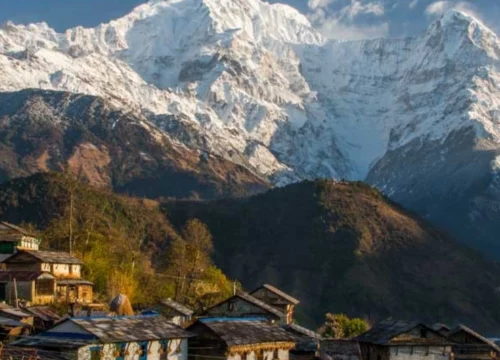
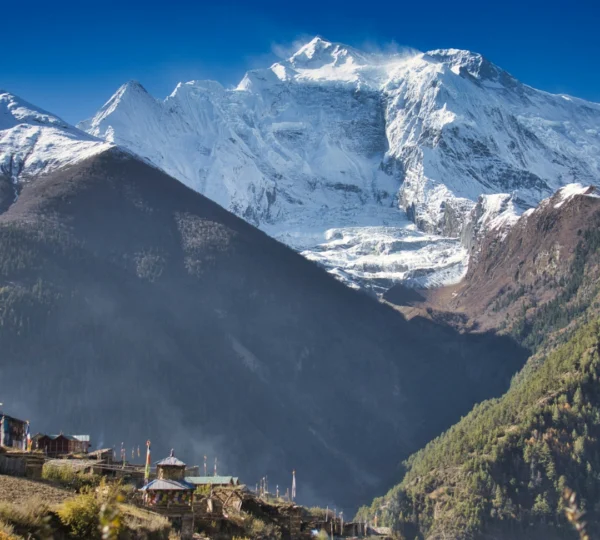
- Trek through charming Gurung and Magar villages surrounded by terraced farmlands.
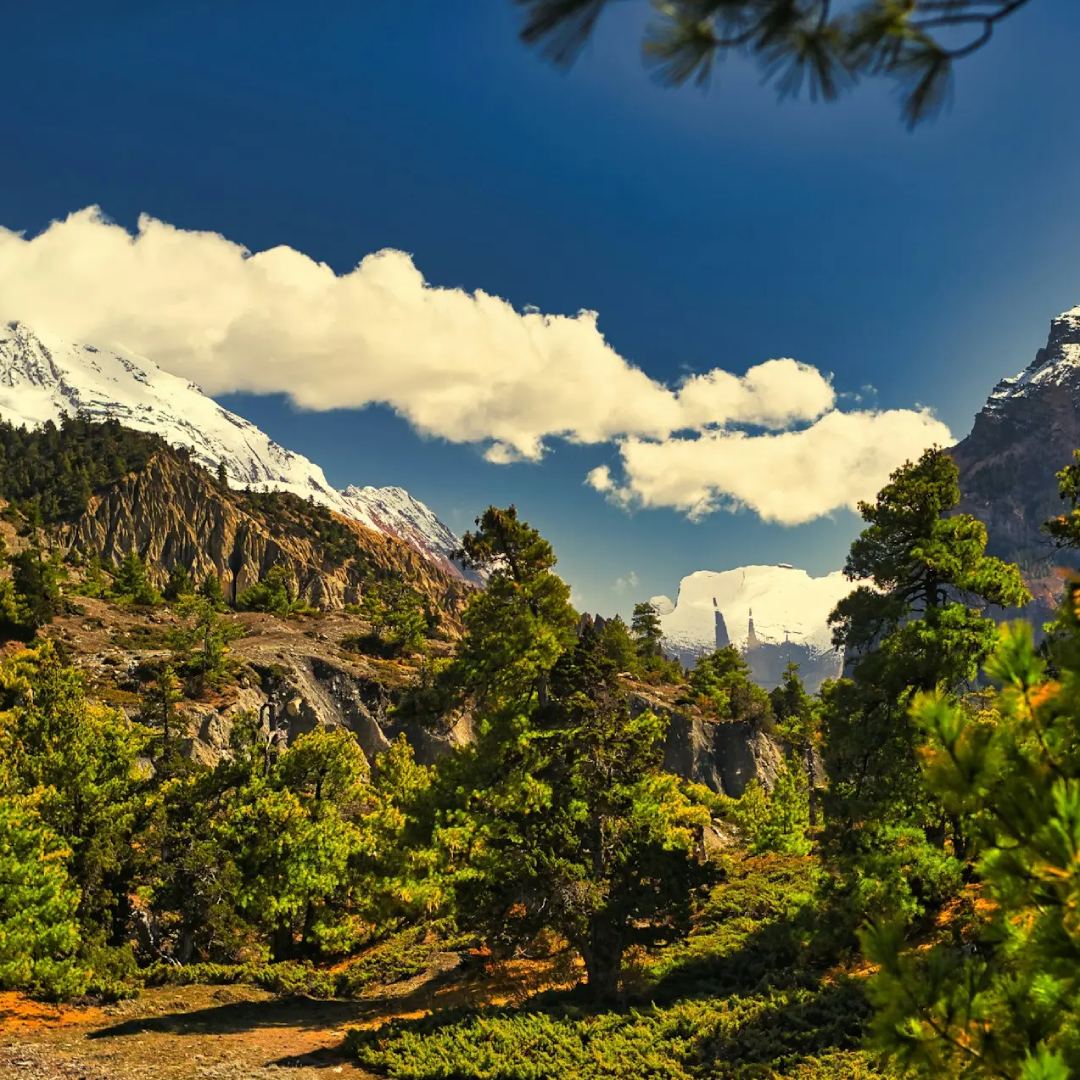
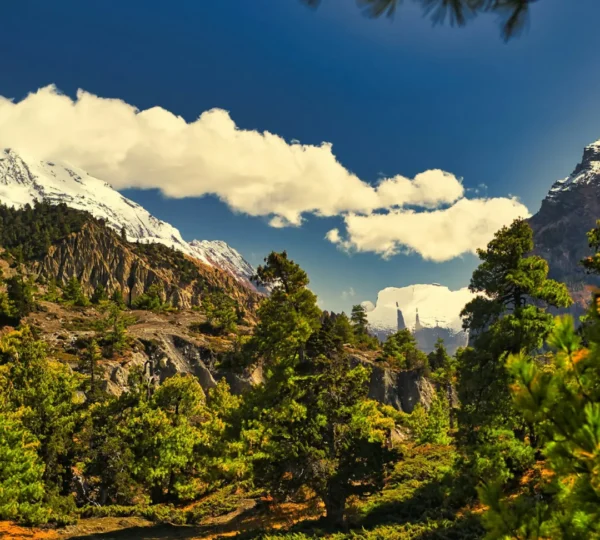
- Walk through lush rhododendron forests and picturesque mountain trails.
- Experience authentic mountain culture and warm Himalayan hospitality.
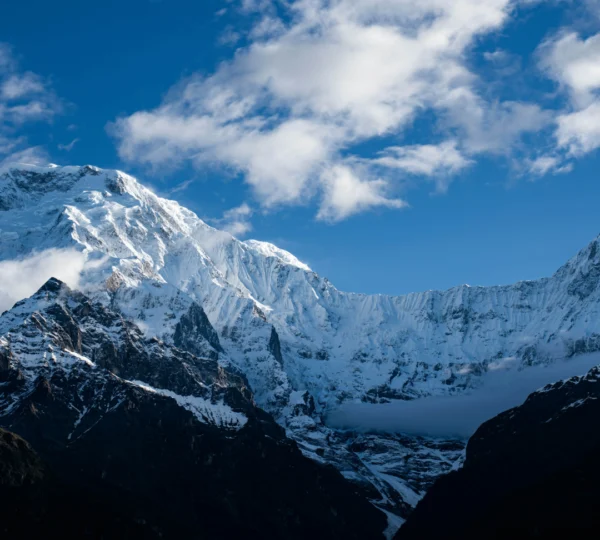
- Reach the spectacular Annapurna Base Camp (4,130 m) surrounded by towering Himalayan peaks.
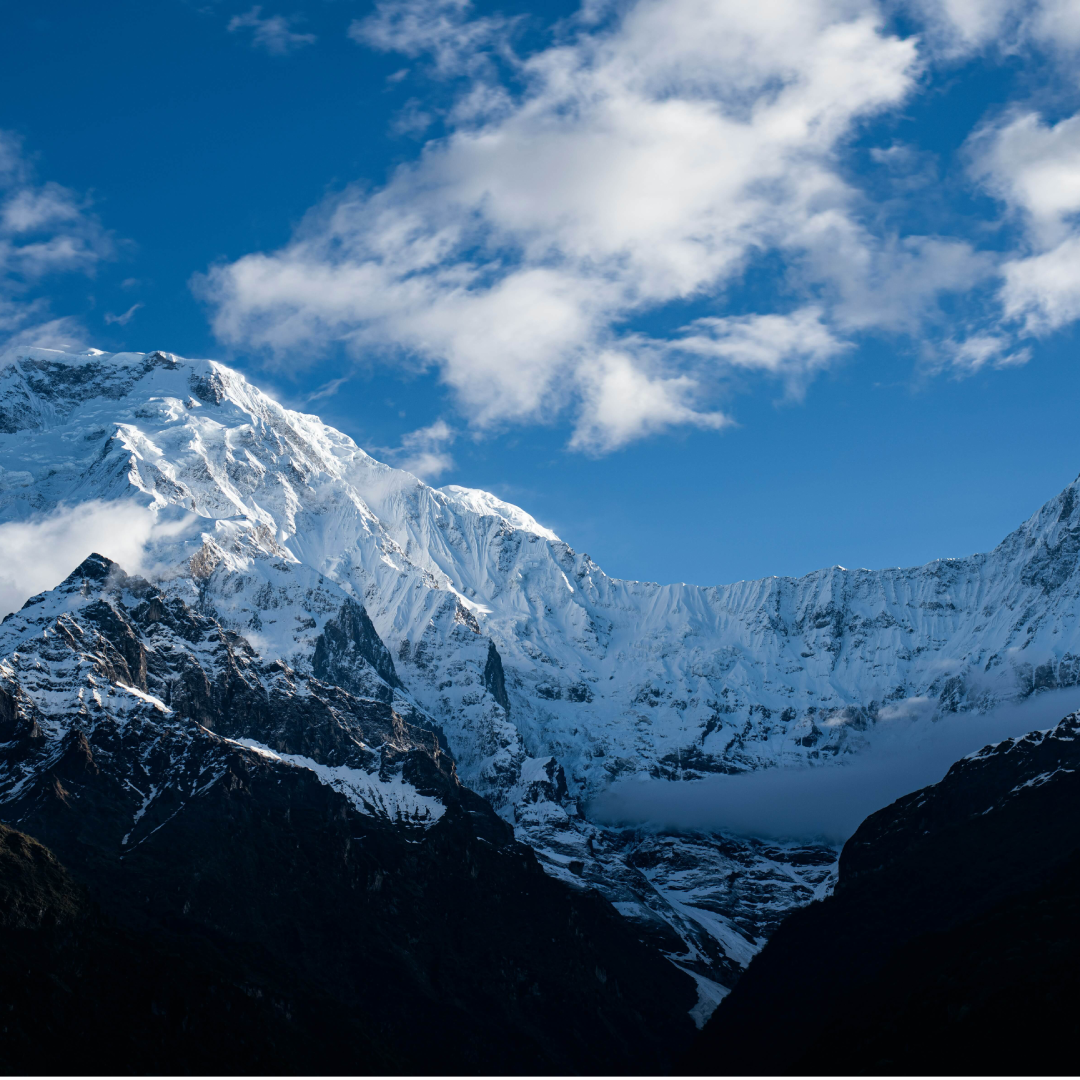
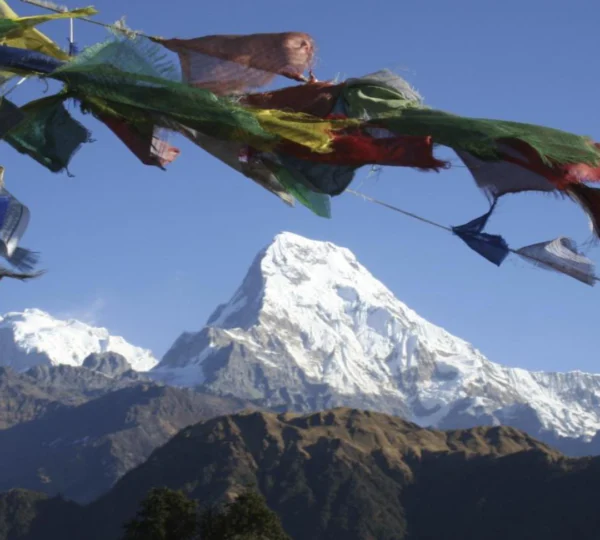
- Enjoy breathtaking sunrise views over Annapurna I, Machapuchare (Fishtail), Hiunchuli, and other mountains.
Essential Packing List
- Comfortable trekking boots with strong ankle support
- Warm down jacket and layered clothing
- Thermal innerwear for cold mornings and evenings
- Sleeping bag suitable for cold mountain temperatures
- Trekking poles and a comfortable backpack
- Sunglasses, sunscreen, hat, and lip balm
- Personal medications and basic toiletries
Annapurna Base Camp Trek Overview
The Annapurna Base Camp Trek is one of Nepal’s most popular and rewarding trekking adventures. Starting from the beautiful city of Pokhara, the journey leads you deep into the Annapurna Sanctuary, a natural amphitheater surrounded by some of the most spectacular mountains in the world.
The trek takes you to an altitude of 4,130 meters, offering incredible views of Annapurna I (8,091 m), the tenth-highest mountain on Earth. Along the way, trekkers pass through traditional villages, terraced hillsides, dense forests, and alpine landscapes, creating a diverse and unforgettable trekking experience.
This journey is not only about reaching the base camp but also about enjoying the stunning scenery, peaceful mountain trails, and cultural richness of the region. The Annapurna Base Camp trek perfectly combines adventure, nature, and culture into one remarkable Himalayan journey.
Annapurna Base Camp Trek Difficulty
The Annapurna Base Camp trek is considered a moderate-level trek, making it suitable for trekkers with a reasonable level of fitness. The trail includes gradual ascents, stone staircases, forest paths, and high-altitude terrain.
Proper acclimatization and a well-planned itinerary help trekkers enjoy the journey safely while minimizing the risk of altitude-related issues.
History of the Annapurna Base Camp Trek
The Annapurna region holds a special place in mountaineering history. In 1950, the French expedition led by Maurice Herzog and Louis Lachenal achieved the first successful ascent of Annapurna I, marking the first time a human climbed a mountain over 8,000 meters.
Since then, the Annapurna region has become one of the most celebrated trekking destinations in the world. The Annapurna Base Camp trail allows trekkers to experience the same landscapes and cultural traditions that have supported generations of mountaineers and explorers.
The region is also home to diverse ethnic communities such as Gurung and Magar, whose culture, traditions, and hospitality enrich the trekking experience.
Natural Beauty Along the Trail
As you move deeper into the Annapurna region, the landscapes gradually transform from subtropical forests to alpine terrain. The trail winds through dense rhododendron forests, bamboo groves, and scenic valleys with cascading rivers and waterfalls.
During spring, the forests burst into vibrant colors as rhododendron flowers bloom across the hillsides.
Villages such as Ghandruk, Chhomrong, and Deurali offer beautiful views of the surrounding mountains while providing opportunities to experience local mountain culture and lifestyle.
Machapuchare and the Annapurna Sanctuary
One of the most magical moments of the trek is entering the Annapurna Sanctuary, a high-altitude basin surrounded by towering Himalayan peaks.
The sacred mountain Machapuchare (Fishtail) dominates the skyline with its unique double-peaked summit. This mountain is considered sacred by local communities and remains unclimbed.
From Annapurna Base Camp, trekkers enjoy stunning panoramic views of:
- Annapurna I
- Annapurna South
- Hiunchuli
- Machapuchare
- Gangapurna
- Tent Peak
Standing in the heart of this natural amphitheater surrounded by snow-covered giants is an unforgettable experience.
Annapurna Conservation Area
The Annapurna Base Camp trek passes through the Annapurna Conservation Area, Nepal’s largest protected region.
This conservation area is known for its remarkable biodiversity and stunning landscapes. The forests are home to many wildlife species including Himalayan langurs, musk deer, and numerous bird species.
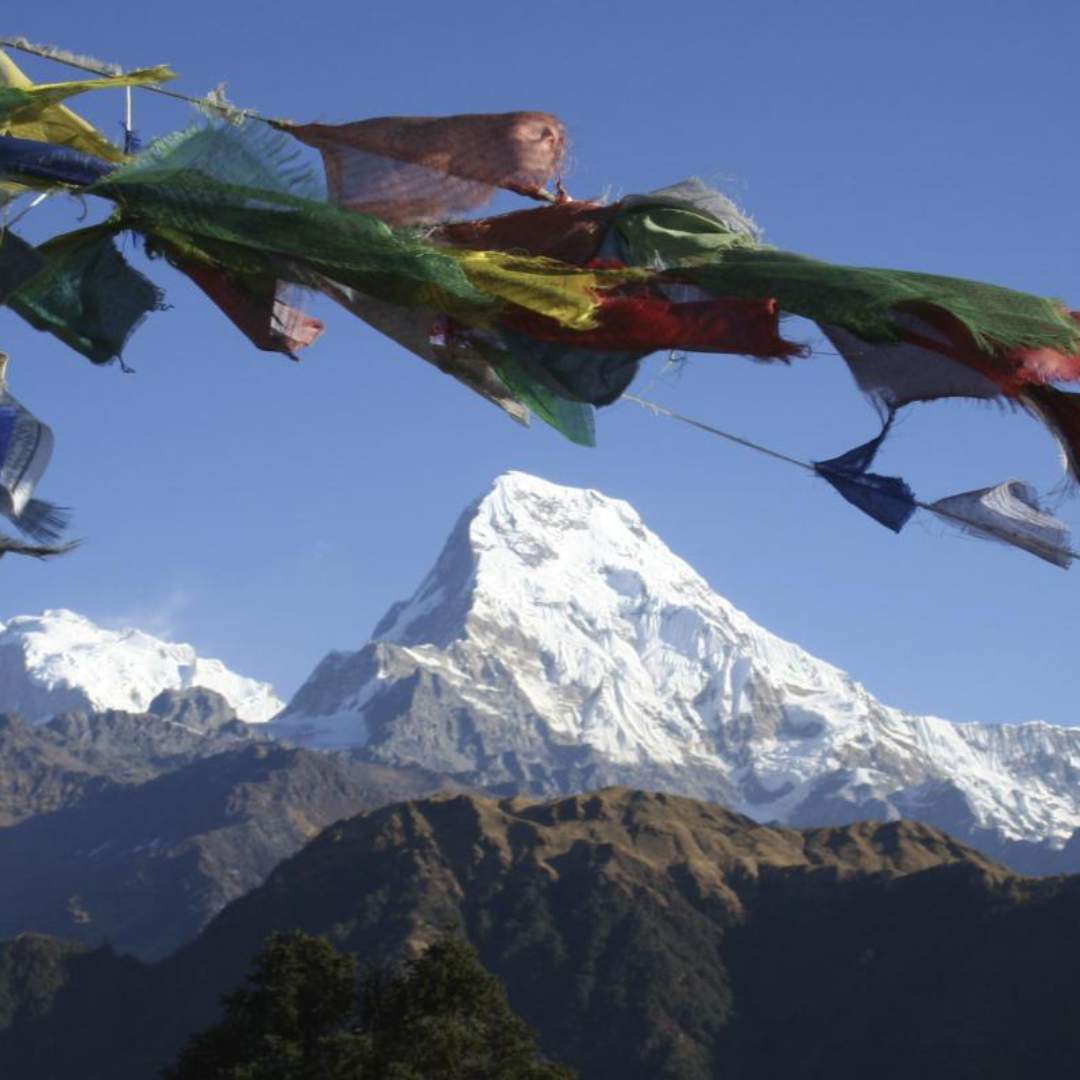
The region also showcases Nepal’s cultural diversity with traditional villages, monasteries, prayer flags, and stone-built homes reflecting the heritage of mountain communities.
A Safe and Well-Planned Trek
A carefully designed itinerary is essential for a safe and enjoyable trek. Gradual altitude gain allows trekkers to adjust properly while fully appreciating the scenery and culture of the region.
With full board service, trekkers can enjoy comfortable tea house accommodations and delicious local meals throughout the journey. This allows you to focus on the adventure while the logistics are taken care of.